
As an AVP of HR in an organization of 30, my day often begins with a flood of emails, leave requests, resignations, work-from-home updates, and other employee communications. Each request must be recorded accurately in multiple sheets such as attendance records, employee data logs, and audit files. It’s a detailed and manual process that, in today’s AI-driven world, feels outdated and inefficient.
When employees or managers reach out asking for leave balances, salary details, or WFH updates, I often find myself digging through multiple Excel sheets to provide the right information. This constant back-and-forth consumes valuable time and energy that could easily be saved with an intelligent Human Resource Information System (HRIS) integrated with employee self-service software.
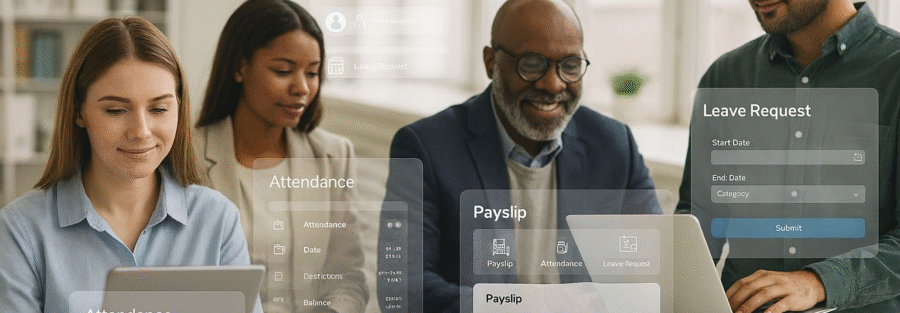
Just as most modern websites offer self-service features like FAQs, chatbots, and personalized dashboards, an HRIS should empower employees to access their information, attendance, payroll, and leave balances, securely, based on their roles and permissions.
The Evolution of Human Resource Information Systems
Today’s digital Human Resource Information Systems (HRIS) serve as the nerve center for employee data. They go beyond basic record-keeping to support broader HR and talent management strategies. Since employees don’t spend their day inside HR platforms the way they do in Slack or Teams, these systems must be intuitive and user-friendly, allowing employees to navigate without extensive training.
Modern HR platforms combine automation, analytics, and personalization to enhance both employee and HR experiences. With AI-driven workflows, chatbots that answer routine questions, and employee self-service tools, organizations can minimize administrative tasks and create a seamless HR experience. These innovations not only improve efficiency but also allow HR teams to focus on strategy, engagement, and growth.
From Recruitment to Retention: Self-Service at Every Stage
A well-designed employee management system delivers value from the very beginning of the employee lifecycle. From job posting to onboarding, recruiters and applicants can manage interactions digitally. Once hired, employees receive secure HRMS credentials to complete joining formalities, upload documents, and receive automated reminders for pending tasks.
Throughout the employee journey, both employees and HR maintain a transparent, secure channel for sharing and updating data. When integrated with biometric attendance systems, the employee self-service software provides real-time updates on working hours, attendance regularization, and leave records, all without manual intervention.
This connectivity ensures accuracy, transparency, and accessibility, creating a digital bridge between people and processes.
Building Transparency, Efficiency, and Trust
Centralizing HR processes within an employee management system builds a culture of transparency and accountability. Employees no longer need to chase HR for information; everything is available securely online. This not only saves time but also ensures that all data is audit-ready, compliant, and consistent across the organization.
A tech-driven organization that adopts biometric attendance and a robust Human Resource Information System gains a clear operational advantage. Such systems automate repetitive workflows, standardize HR policies, and maintain reliable records, ensuring efficiency, compliance, and trust at every level.
The Future of HR Is Self-Service
Empowering your organization with employee self-service software is no longer optional, it’s a necessity for modern, agile businesses. Companies that embrace AI-enabled HRIS platforms stay ahead in efficiency, compliance, and employee satisfaction.
The integration of biometric attendance and employee management systems bridges the gap between employees and HR, fostering transparency and autonomy. These digital ecosystems not only simplify daily HR operations but also enable data-driven decision-making, helping organizations grow smarter, faster, and more human-centric.
In the evolving world of work, the Human Resource Information System is more than technology, it’s the strategic backbone of organizational success.
Looking to transform your HR operations with intelligent automation?
Contact 360 Degree HR Tech to implement a modern Human Resource Information System that empowers employees and drives efficiency across your organization.